
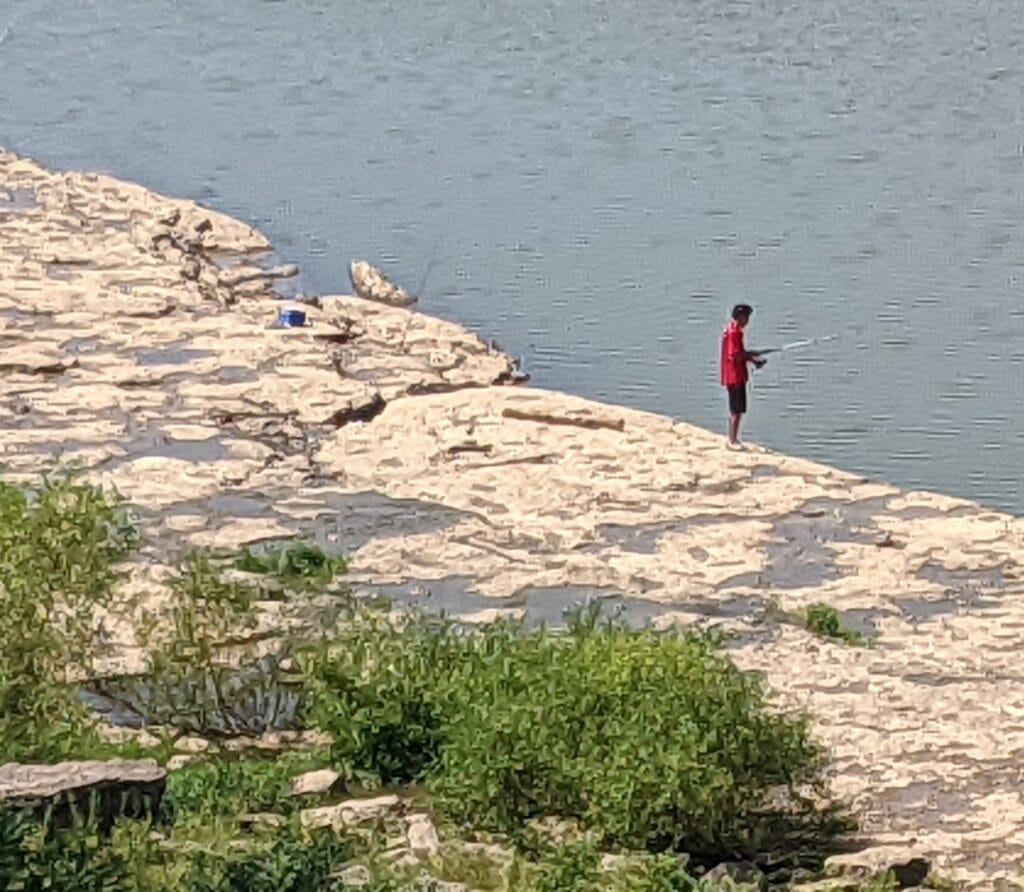
The Ohio River is at the center of the Falls of the Ohio’s natural, historical and cultural heritage. It is the mainstem of a 204,000 square mile basin. The Ohio River Basin is home to 30 million people. The basin’s waterways provide safe drinking water and attracts millions of people who recreate on its rivers and streams each year.
The 981-mile Ohio River is a working river. It is a transportation corridor, and is lined with heavy industry, power plants, farms, large and small communities and residences from its source in Pittsburgh to its mouth in Cairo, IL. All depend on a healthy, clean and safe waterway, but the impacts – toxic pollution, agricultural and urban runoff, wetlands and wildlife habitat loss – have had an adverse impact on water quality and recreational value. In 2023, the nonprofit advocacy organization American Rivers listed the Ohio River as the 2nd most endangered river in the U.S.
In response, the Ohio River Basin Alliance collaborated with the National Wildlife Federation and ORSANCO to develop the comprehensive Ohio River Basin Restoration & Protection Plan, which is designed to address water quality issues and provide long-term sustainability for the Ohio River and its interconnected waterways in the basin. To implement the restoration plan, Ohio River Basin Congressional Caucus Co-Chairs Rep. Morgan McGarvey (District 3, Louisville, KY) and Rep. Erin Houchin, (District 9, Jeffersonville, IN) recently introduced the Ohio River Restoration Program Act, H.R. 5966, to establish an Ohio River Basin Program Office at the Environmental Protection Agency. The goal is to secure, for the first time ever, a dedicated federal investment to enhance water quality throughout the basin.
Submitted by Mark Young